
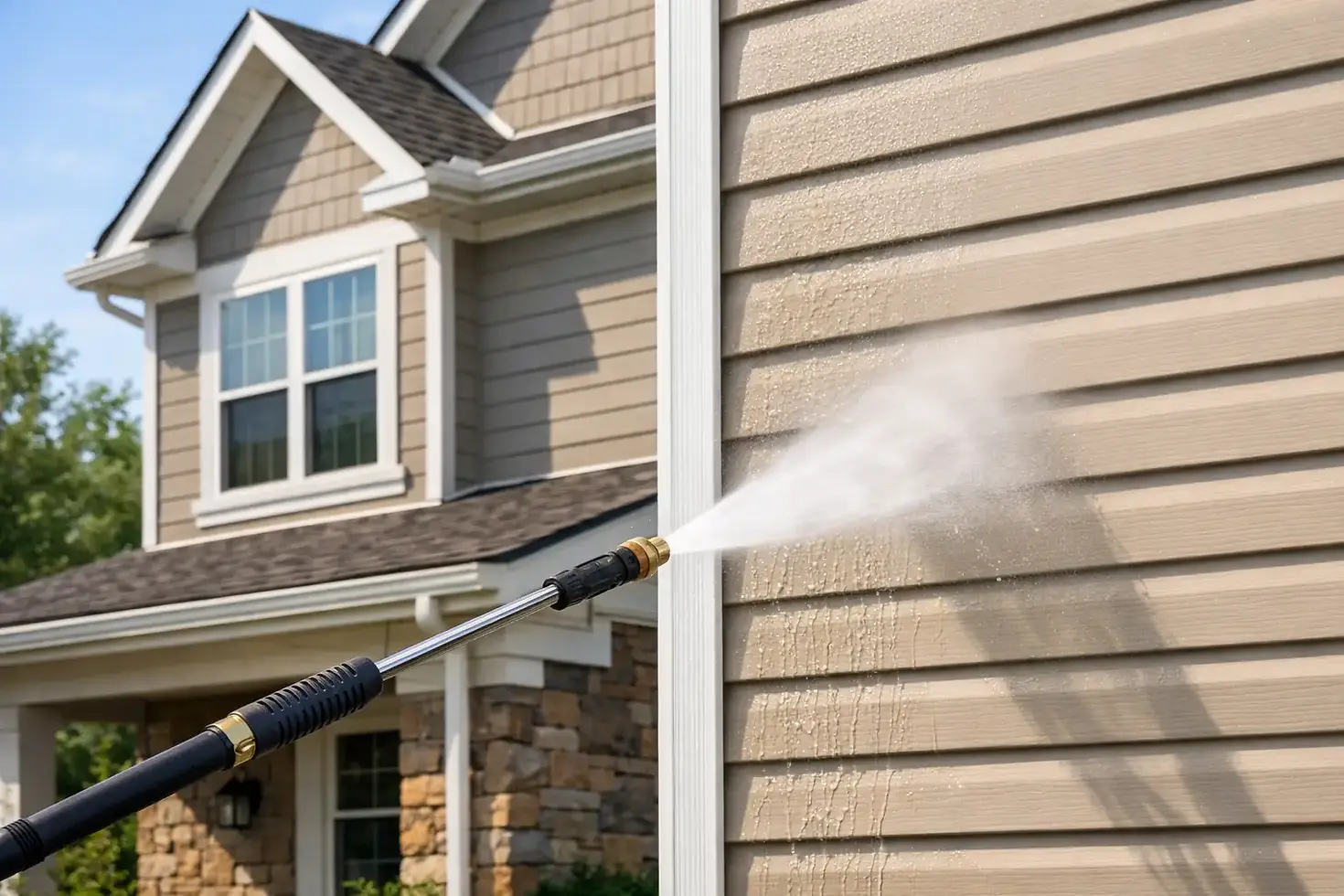
House Washing Guide for Safer, Cleaner Siding
- Chris Aikin
- 6 days ago
- 6 min read
If your siding still looks dull after a rainstorm, that is usually not just dust. It is often a mix of grime, algae, pollen, and surface buildup that slowly changes how your home looks and how well exterior materials hold up. A good house washing guide starts there - not with high pressure, but with the right method for the right surface.
For many homeowners, the hard part is not deciding whether the house needs cleaning. It is knowing how to clean it without leaving streaks, forcing water behind siding, or damaging paint, trim, and plants around the home. That is where a little caution goes a long way.
What a house washing guide should actually help you answer
House washing is not one single process. The right approach depends on the siding material, the type of buildup, the age of the exterior, and the condition of nearby surfaces. Vinyl, painted wood, stucco, fiber cement, and brick all respond differently to water pressure and cleaning solutions.
That matters in Colorado, where homes deal with wind, dry dust, spring pollen, sudden storms, and strong sun exposure. A house can look dirty for different reasons in different seasons, and not all of them call for the same treatment. In some cases, a light soft wash is the safest option. In others, targeted pressure washing may be appropriate for harder surfaces nearby, such as walkways or driveways, but not the siding itself.
When your home needs washing
Most homeowners notice the obvious signs first. Siding may look darker near the bottom, green patches may appear on shaded sections, or dust may cling to textured areas around trim and corners. Cobwebs, drip lines under gutters, and black streaks under soffits also tend to stand out once buildup starts collecting.
Less obvious signs matter too. If painted surfaces look chalky, if insects are gathering around dirty eaves, or if runoff is leaving marks down the walls, it is worth paying attention. The goal is not just to improve curb appeal. It is also to prevent grime and organic growth from sitting on exterior materials longer than they should.
For many homes, an annual wash is enough. Others benefit from more frequent service, especially if they have a lot of shade, heavy tree coverage, or traffic dust nearby. It depends on exposure and how quickly buildup returns.
Soft washing vs pressure washing
This is where homeowners can make an expensive mistake. Many people use the phrase pressure washing for any exterior cleaning, but house washing often relies more on soft washing than high pressure.
Soft washing uses low-pressure water combined with surface-appropriate cleaning solutions to loosen and remove organic growth, dirt, and staining. It is commonly the safer choice for vinyl siding, painted exteriors, stucco, and other more delicate materials. The cleaning power comes from the treatment and rinse process, not from blasting the surface.
Pressure washing has its place, but it works best on durable, hard surfaces that can handle more force. Concrete is the usual example. Used incorrectly on siding, pressure can crack panels, scar paint, drive water behind the exterior, and leave visible cleaning lines.
The trade-off is simple. Soft washing is gentler and more material-conscious, but it requires the right process and patience. Pressure washing can move fast on the right surfaces, but it leaves less room for error.
Surface matters more than most homeowners realize
A reliable house washing guide should always start with the material.
Vinyl siding usually responds well to soft washing because buildup often sits on the surface rather than deep in the material. The concern is less about whether it can get wet and more about avoiding forced water behind seams or under panels.
Painted wood needs even more care. Too much pressure can strip paint, raise the grain, or push moisture into vulnerable spots. If the paint is already failing, washing may reveal that condition more clearly, which is useful, but it also means the cleaning method has to stay controlled.
Stucco is another surface that needs restraint. It can hold dirt in its texture, but it can also be damaged by aggressive washing. Fiber cement is durable, but that does not mean it should be hit with unnecessary force. Brick is tough, though mortar joints and older surfaces still deserve caution.
This is why one-size-fits-all washing is rarely the best plan. The siding type, age, and condition all affect what is safe.
Common risks of improper house washing
The biggest problems usually come from too much pressure, poor rinse control, or using the wrong cleaning approach for the surface. Damage is not always dramatic right away. Sometimes it shows up later as trapped moisture, peeling paint, loosened siding, or uneven discoloration.
There is also the issue of surrounding areas. Exterior cleaning should protect plants, outlets, light fixtures, door seals, and nearby furniture or decor. Even a well-intended wash can create problems if runoff is not managed or if sensitive areas are ignored.
Ladder use is another factor. Two-story sections, gables, and hard-to-reach siding are where risk goes up quickly for homeowners. It is not only a cleaning issue. It becomes a safety issue.
How professional house washing is usually done
A professional process starts with inspection. Before any cleaning begins, the exterior should be checked for cracked siding, loose trim, failing caulk, open gaps, oxidation, and areas where water intrusion is a concern. This step helps avoid turning a minor issue into a larger repair.
From there, surrounding plants and adjacent surfaces are prepared and protected. The cleaning method is chosen based on the siding material and the type of buildup present. Organic staining, for example, calls for a different approach than plain dust or mud splash.
Application and rinse should stay controlled from top to bottom and section to section. The goal is a uniform result, not just a quick visual improvement. Good equipment helps, but technique matters just as much. That is one reason many homeowners prefer to work with an insured company that handles exterior cleaning regularly rather than trying to piece together a rental setup on a weekend.
Timing matters in Colorado
Not every week is the right week to wash a house. Wind can make application inconsistent. Extreme heat can cause cleaning solutions to dry too quickly. Freezing temperatures create obvious problems with water and surface conditions.
In the Denver metro area, spring and fall are often ideal because temperatures are moderate and surface buildup is easier to spot after winter grime or summer dust. Summer can still work well, but timing during the day matters more. Midday heat and full sun can change how the cleaning process performs, especially on darker siding.
If your home has been through a long stretch of wind, construction dust, or wet shade conditions, it may make sense to schedule washing based on need rather than the calendar alone.
What homeowners should do before and after service
Preparation is usually simple. Close windows, clear the area around the home, and move lightweight items away from the walls. If there are known trouble spots such as loose trim or a sticking exterior outlet cover, mention them before the work begins.
After washing, take a slow walk around the house. Clean siding should look even, not patchy. It is also a good time to notice other maintenance items the dirt may have been hiding, such as minor caulk gaps or aging paint around trim. Cleaning does not create those issues, but it often makes them easier to see.
If you want results to last longer, routine upkeep helps. Rinsing down splash zones, keeping gutters flowing properly, and addressing shaded moisture-prone areas can reduce how fast buildup returns.
Choosing the right help
If you are hiring out the work, ask how the company decides between soft washing and pressure washing. That answer usually tells you a lot. A careful provider should be able to explain the method by surface, what protections are used around the property, and how they reduce the risk of damage.
For homeowners who want dependable results without the guesswork, companies like Drift Exteriors focus on surface-specific cleaning rather than treating every exterior the same way. That kind of approach matters when the goal is not just a cleaner house, but a well-cared-for one.
A clean exterior should look better, but it should also be cleaned in a way that respects the materials it is protecting. When the method matches the surface, house washing does more than brighten siding - it helps your home age better over time.


Comments